





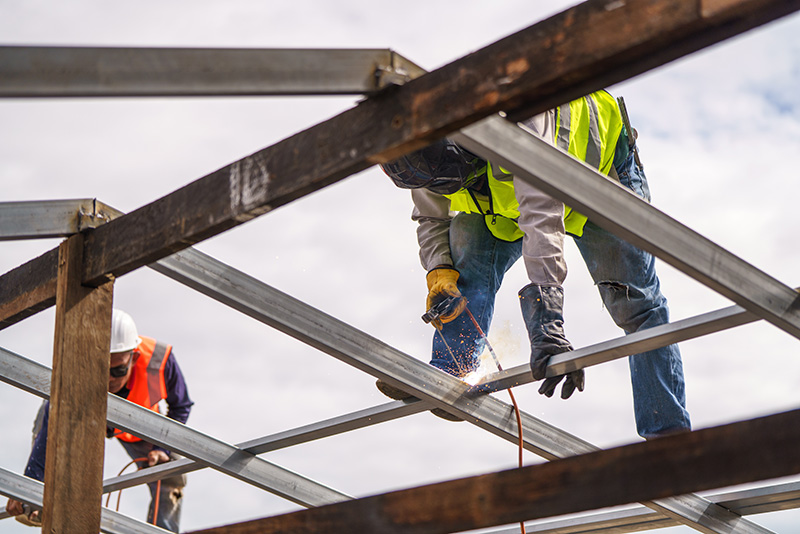
Most field repairs are going to be on material that’s under 3/8 of an inch thick (we’re talking about broken hitches, cracked loader buckets and damaged gates), and a 250A welder will take care of that without any problems. Plenty of contractors wind up with 350A machines instead because they believe that more power is always going to be better. You don’t need to haul an 85-pound welder through rough terrain when a 50-pound machine can do the exact same job!
A 350A unit takes way more power and needs three-phase hookups or a massive generator that you’ll also have to transport. A 250A machine runs fine on most farm generators and on standard construction site power. Weather, material thickness and duty cycle all matter when you figure out which one will actually take care of the job.
This comparison helps you pick the right one for field work.
How Weather Affects Your Amperage Needs
The amp rating on a welder tells you the maximum amount of power that the machine puts out – it’s the upper limit of what you have to work with, and it matters when you’ll have to push through thicker material or when conditions get rough out in the field. A 250A welder tops out at 250 amps, and a 350A model can push as high as 350 amps of power.
Many operators believe that more power is always better with welding equipment. A farmer will walk over to a broken gate hinge and figure they need a 350A machine to fix it right. Nine times out of ten, though, that same repair will only need somewhere around 150 to 180 amps to lay down a solid, quality weld on typical farm metal. All that extra power in the bigger machine just sits there unused for the majority of your gate work and fence repairs around the property.
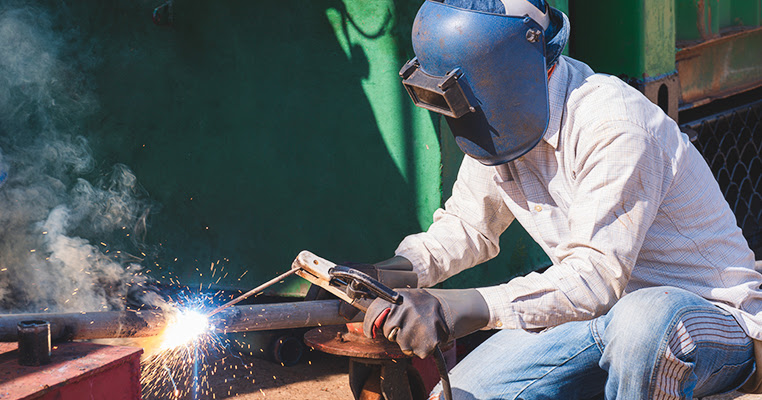
These two machines show their differences if you take them outside, and the conditions aren’t perfect. Wind pulls the heat away from your weld pool way too fast. So you’ll need to bump up your amperage just to line up with the same penetration you’d get working inside your shop. Cold weather causes the same issue because your base metal works like a massive heat sink and draws the warmth away from your weld the entire time you’re working on it.
Ask any field welder, and they’ll tell you that’s when extra amperage capacity comes in useful. A repair that only needs 140 amps inside your shop can need 170 or 180 amps when you’re outside in the middle of a January wind. Even then, you’re still nowhere near that 350A maximum. It depends on whether you want to pay extra for all that power you’ll hardly ever touch, or if you’d prefer to save some cash on a 250A machine that takes care of most of the outdoor repairs just fine.
The material you’re welding is going to have a bigger effect on your amperage requirements than where you’re actually doing the work. Weather conditions can add a little bit of extra demand to your power needs. But not enough to justify buying a much bigger machine for your day-to-day repairs and maintenance work.
Thick Metal and the Right Welder Power
A 250A welder gives you more than enough power for the repair work you’ll run into out in the field. Broken trailer hitches, cracked loader buckets, damaged gates, busted fence posts – a 250A takes care of these, and you’ll still have plenty of power to spare. The majority of what you’ll fix out in the field is metal that’s under 3/8 inch thick, so you’re well covered with this amount of amperage.
You should move to a 350A machine when the material gets thicker. Heavy equipment frames and thick wall pipe will push a 250A way too hard, and your welds just won’t turn out the way you need them to. Structural steel that’s over 1/2 inch thick is 350A territory as well.
While a 350A machine is the king of speed for thick plate, a 250A unit isn’t necessarily ‘locked out’ of heavy jobs—it just requires more prep. If you’re staring down a 1/2-inch repair with a 250A machine, you can’t just ‘crank it and pray.’ You have to use beveling and multi-pass welding. By grinding a 45-degree V-groove into the joint, you allow the arc to reach the bottom for a ‘root pass.’ You then layer ‘fill passes’ and a final ‘cap pass’ on top. It takes three times as long as a 350A machine would take, but it ensures the weld is structurally sound rather than just a weak surface bead.
Jobs like these need a lot more penetration if you want welds that’ll actually hold up when they’re under stress.
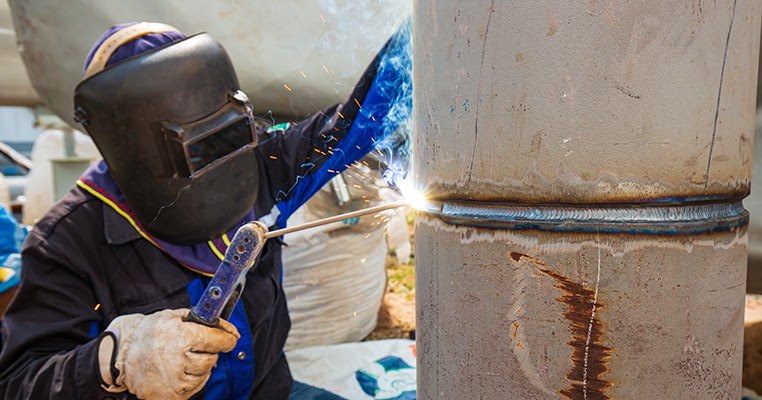
Single-pass capability is a big deal when time is working against you on a project. The weather could be turning bad, or daylight could be running out faster than you’d like. A 350A welder gives you enough power to finish thicker welds in just one pass instead of having to go back to make multiple runs over the same joint. The time savings alone can be very big, and the finished weld usually ends up stronger with a single pass anyway.
Field welders with 250A units will sometimes push their machines past what they were built for. The temptation is to turn up the amperage and slow way down on the travel speed to make up for not having enough power. The finished weld will look fine from the outside. But you won’t get nearly enough penetration underneath where it matters. Joints like these will fail weeks or months later once any serious load gets applied to them.
A 250A will work with material that’s around 3/8 inch without any problems. When you get close to 1/2 inch or anything thicker than that, I always recommend you move to a 350A instead.
How Weight Affects Your Field Work
The weight difference between these machines ends up mattering quite a bit when you’re actually out in the field all day. A 250A welder usually weighs about 50 pounds or so. You load it into your truck in the morning, and it feels manageable enough, and you’re not going to have any problems with it at that point in the day.
Later in the day, though, you’ll need to haul that same machine through a muddy field or across uneven ground just to get to a broken fence line. Maybe you’re pushing through deep snow because there’s a cattle chute that needs repair. Before long, those 50 pounds feel way heavier than they did that morning.
A 350A unit weighs in at around 85 pounds for the machine alone. You’ll have to haul that weight up a ladder or onto scaffolding if you have an overhead repair. Your back is going to feel those 35 extra pounds by the end of the day. And if you have to load it into a truck bed five or six times on your rounds, all that lifting piles up fast.
Heavier machines create a problem for most field welders. A lot of them will just leave the 350A unit in the truck bed rather than haul all that weight around to every job site. The tradeoff is that you’re going to need much longer cable runs. That means multiple trips back to the truck just to grab your electrode holder, your ground clamp or a fresh pack of rods.
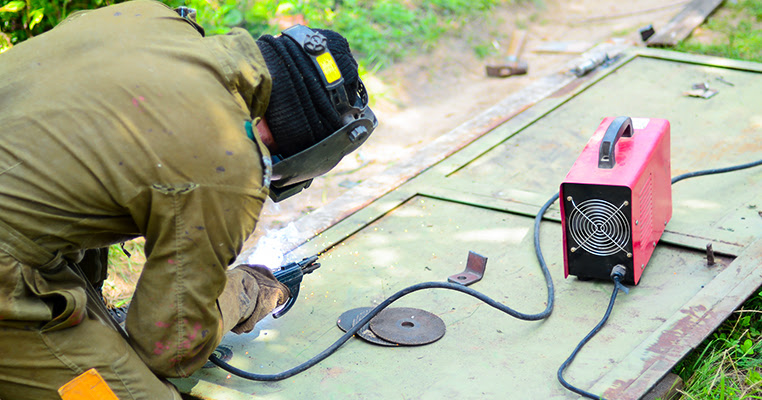
Rods and cables add their own weight to every move you make, too. The welder itself is only a part of what you’re carrying around out there. Your leads, your consumables and all your safety equipment have to go with you to the job site. Everything stacks up on top of what the machine already weighs on its own. A lighter welder lets you bring the other gear you need without wearing yourself out before you’ve even had a chance to strike your first arc.
The transport challenge is a big part of how you work out in the field. It’ll affect how far you’re willing to walk away from your vehicle to actually get the job done and will change how you plan out your day and which jobs you can take on without needing to call in extra help.
Power Needs for Heavy Duty Welding
A 350A machine needs quite a bit more power than most other units you’ll be working with. These machines need 460V three-phase power to run at full capacity, and most job sites just don’t have that power available to tap into. You’ll need to bring along a much bigger generator for that extra demand. These bigger generators are going to burn through a lot more fuel, and it means that you’re looking at higher operation costs for every day you’re working out in the field.
Plenty of contractors have learned this lesson the hard way – right after they bought their 350A setup and realized what they got themselves into. One crew bought their new machine and then found out it needed a 25kW generator just to be able to use it. That generator was massive and heavy enough that they had to get a whole separate trailer to move it around from job to job. What was supposed to be a portable welding setup turned into a small convoy of equipment.
Another frustration happens when the job site is remote and everyone shows up ready to work. The 350A welder looks perfect, and the gear is there, and then somebody checks the power supply, and it turns out that what’s available won’t support the amperage requirements for the machine. All that travel time just gets wasted, and the job doesn’t happen, and everyone loses money on the trip. Once this happens, you have only two ways forward – pack everything up and come back another day with a smaller machine, or attempt the work with whatever inadequate power is available and cross your fingers.
Most field locations don’t have the electrical setup that these bigger machines need to run properly. Single-phase power is easy to find – it’s available just about anywhere you go. Three-phase power is another story – you’re only going to find it at industrial sites or at big commercial buildings.
Better Duty Cycles for Long Jobs
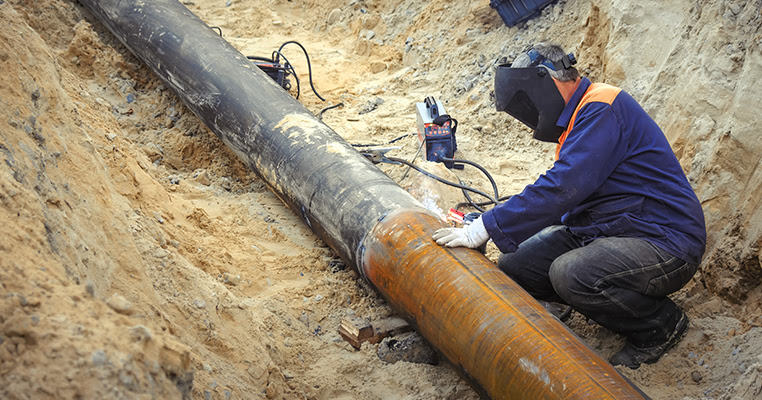
You’re halfway through a pipeline repair, and your equipment suddenly shuts itself down for a mandatory break. At that point, you’re stuck standing around, and you have to wait for the welder to cool off so you can get back to it. These interruptions start to add up when you’re working on thick structural pieces or trying to repair heavy machinery that can’t sit there idle.
There is a silver lining to those freezing field repairs, though: ambient temperature is a welder’s best coolant. Most duty cycles are rated at a punishing 104°F (40°C) When you’re working in 30°F weather, your 250A machine can actually stay under its thermal limit much longer than the spec sheet says. The cold air keeps the internal transformers or inverters from reaching that ‘shutdown’ temperature as quickly. While the cold makes the metal harder to penetrate (requiring more amps), it simultaneously gives your machine a ‘hidden’ duty cycle boost, letting you push through a long bead without the thermal overload light kicking in quite as soon.
A 350A welder changes that completely. Most of these machines will deliver a 60% duty cycle even when you’re running them at just 250 amps – it’s 6 full minutes of continuous welding out of every 10. Extra runtime like that really matters when you’re working through long seam welds or working on emergency repairs that can’t wait.
Temperature has a big effect on these duty cycle numbers, and it’s a much bigger deal compared to what most spec sheets make it out to be. A welder that runs just fine in the spring might start overheating fast during the summer field work. Add in the pressure of bad weather rolling in, and contractors start pushing their 250A machines way past the limits of what they’re built for. Before long, you have burned windings and failed parts that leave you stranded on site with half-finished work.
I’ve heard from welders who have had their 250A units fail on extended pipeline projects. These machines just can’t run continuously at high output – they need those rest periods. The welders skipped the breaks to stay on schedule, but ended up replacing their equipment anyway.
A 350A gives you plenty of breathing room during those longer jobs. You can work at a steady pace without having to always check the thermal overload light. That reliability matters when you’re up against tight deadlines or fixing equipment failures that you’ll have to handle fast.
Cost Analysis for Your Welding Investment
The price difference between these two machines is large – about $2,500 separates them if you compare the similar models. A 250A welder will run you around $1,500, and a 350A unit comes in closer to $4,000. Those numbers tell you one side of the story. But the type of work you need your machine for matters a whole lot more.
Plenty of contractors buy the 250A and then find out they need to rent a bigger machine two or three times a month when heavier jobs come through. Those rental fees add up fast – to a few hundred dollars or more over time. Other times, some welders just buy the 350A from the start, and then it sits in the shop unused most of the week. In either case, it’s wasted money – whether you’re spending it on repeated rentals or on a machine that mostly sits there as insurance for work that might not show up.
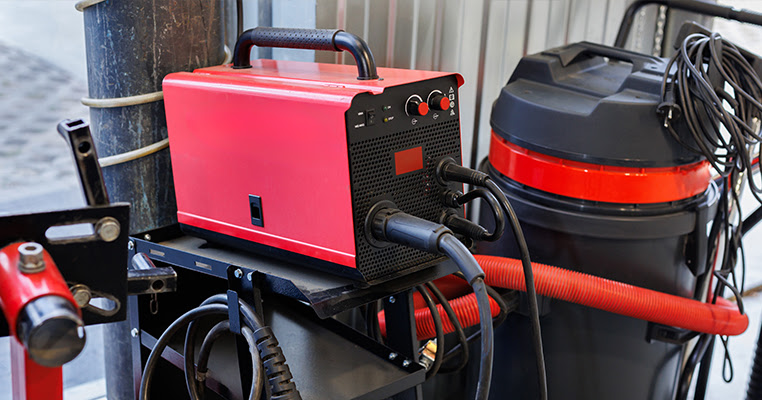
Ask around at repair shops and you’ll hear the same thing – 250A machines cover about 80% of field calls, and they do it reliably. For day-to-day work, these have become the workhorse that welders depend on to get projects done. What experienced welders know from years in the field lines up with what the numbers actually show.
The costs get more involved when you look past the up-front price tag. Most 350A machines are going to need a generator upgrade before they’ll even run correctly, and that’s an extra expense you have to plan for long before your first arc. Resale value also comes into play if you want to upgrade your equipment or go in a different direction down the line. 250A machines sell much faster in the used market because demand runs higher for that power range. A 350A unit might sit there for a while until a buyer comes along who actually needs that much capacity.
Where The Pros Get Their Welding Rentals
The right machine depends on what your average workday looks like, what materials you usually work with, where you travel for job sites and what type of power you count on when you arrive.
Plenty of welders eventually own both of these machines, and it makes perfect sense. It’s not an either-or choice because different jobs need different power levels. A 250A unit works great for everyday welding tasks, and when a heavier project comes along, a 350A machine will take care of it without missing a beat.
For welders who are just starting out or anyone on a tight budget, a 250A machine is a solid pick to build around. Rent a 350A when those once-in-a-while heavy-duty jobs come up, and your costs will stay under control as you still take care of the bigger work. The best welder for you isn’t necessarily the one with the highest amperage or the longest feature list – it’s the machine that actually gets used on the job sites instead of sitting in your shop because it’s too heavy to move or needs power that isn’t available where you work.
Access to the right equipment can make or break a welding job. Red-D-Arc became the top rental source for professional welders because our gear shows up on time and works the way it should. Jobs and project specs change all of the time, and that’s why we stock tons of welders, positioners and protective equipment on hand. Check out Red-D-Arc.com to browse through our full catalog – you’ll find rental options to fill in any gaps on your crew, and you can buy the core machines that you use every day.



Leave a Reply