


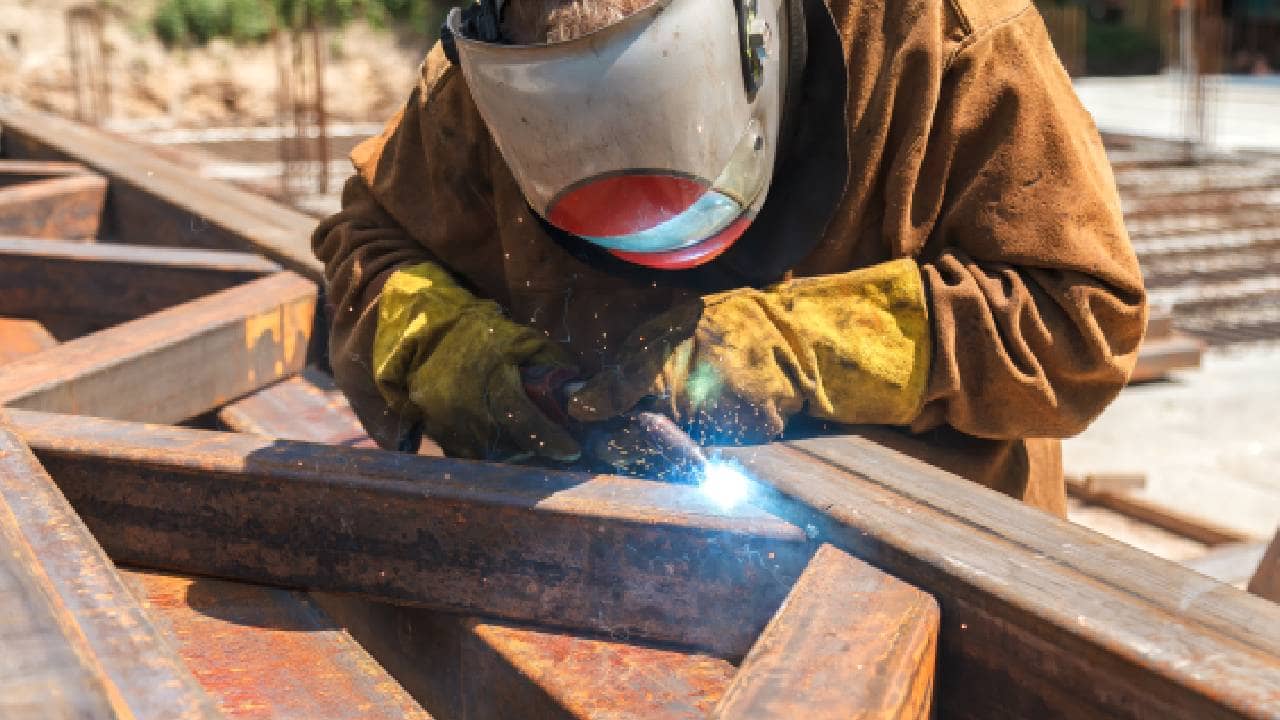
Bridge fabrication brings together structural design, skilled welding, inspection and careful control of the work. Welding helps create girders, trusses and other members, and it supports approved repairs to existing structures. The right equipment can improve productivity, but it must work within the project’s engineering and welding requirements.
Shop fabrication and field work present different challenges. A shop may offer fixtures, positioners and controlled conditions for long seams. A field crew must also plan for access, weather, power and the condition of the existing steel. Understanding those differences is the starting point for an effective equipment package.
Start with the Project’s Welding Requirements
The AASHTO/AWS D1.5 Bridge Welding Code addresses welding of carbon and low-alloy steel bridges designed to AASHTO or AREMA requirements. The governing contract documents identify the applicable code edition, owner requirements and any project-specific provisions.
Do not assume one structural welding code can automatically fill a gap in another. The responsible engineer determines the requirements for the structure and any proposed repair. Welding procedure specifications (WPSs), personnel qualifications, consumable controls and inspection plans must match the work before fabrication begins.
For existing bridges, steel identification and the approved repair design are particularly important. Adding a weld to an older member changes the structure and can affect fatigue performance. Treat repair welding as engineered work rather than a routine field modification.
Plan for Shop and Field Conditions
Shop welding allows better control of fit-up, positioning and material flow. Repeatable joints may suit mechanized travel or submerged arc welding, especially when the member can be positioned to support the process. The plan should include handling and inspection time as well as arc time.
Field crews may need to weld beneath a structure or in restricted spaces. Provide suitable access, work platforms and protection from weather. Gas-shielded processes need effective protection from wind, with conditions checked against the governing procedure and project requirements.
Stick welding or a suitable self-shielded flux-cored wire may be useful outdoors, but changing the process is a procedure decision. Neither removes the need for clean, dry joints, proper consumable handling or limits on weather conditions.
Shielded Metal Arc Welding
Shielded metal arc welding (SMAW), commonly called stick welding, remains useful for field work and joints with limited access. The electrode coating supplies shielding and forms slag, so a separate shielding-gas supply is not needed.
Electrode changes, stub loss and slag removal affect productivity, particularly on large multi-pass welds. Good technique is also needed at starts and stops. Keep electrodes in the condition required by their manufacturer and the WPS; damaging the coating to reach a difficult joint can undermine that control.
Select a stick welding power source with the required output, duty cycle and electrode capability. Where site power is unavailable, an appropriate engine-driven welder can support field operations.
Flux-Cored and Gas Metal Arc Welding
Flux-cored arc welding (FCAW) and gas metal arc welding (GMAW) use continuously fed wire. They can reduce interruptions for electrode changes, but their suitability depends on the joint, position, material and approved procedure.
Gas-shielded flux-cored wire needs an external gas supply. Self-shielded wire produces its shielding through the flux system. Both require attention to slag removal and the wire manufacturer’s operating requirements. GMAW uses an external shielding gas and offers different transfer modes, which are not interchangeable for procedure purposes.
A pulsed process is not an automatic guarantee of fusion, and short-circuit transfer should not be substituted without the required qualification and approvals. Select compatible power-source capabilities, wire feeder, gun, drive rolls, polarity and shielding for the specified process.
Submerged Arc Welding
Submerged arc welding (SAW) uses a continuously fed electrode beneath a layer of granular flux. It is well suited to many long welds in heavy fabrication, where suitable joint positions and mechanized travel can support high deposition rates.
Wire and flux must be selected as a compatible combination for the required weld properties. Joint preparation, alignment, flux handling and travel control all matter. Flux coverage limits where the process can be used, so check the joint orientation and equipment arrangement before choosing it.
Red-D-Arc offers submerged arc welding equipment and welding manipulators. Match the complete system to the member geometry, procedure and production plan rather than selecting it by maximum amperage alone.
Stud Welding for Composite Construction
Shear connectors help transfer forces between structural steel and concrete in a composite bridge member. Drawn-arc stud welding joins suitable studs to the steel using a controlled arc followed by a plunge into the molten interface.
The stud, gun, power source, ferrule and setup must suit the application. Follow the project’s requirements for surface preparation, qualification, production checks and acceptance. Red-D-Arc’s stud welding equipment can be selected around the specified stud size and duty requirements.
Control Preheat and Interpass Temperature
Preheat and interpass controls help manage cooling conditions and hydrogen-cracking risk. The correct limits depend on the steel, thickness, joint and procedure. Post-weld heat treatment is a separate requirement and should only be applied when specified; unsuitable heating can damage material properties.
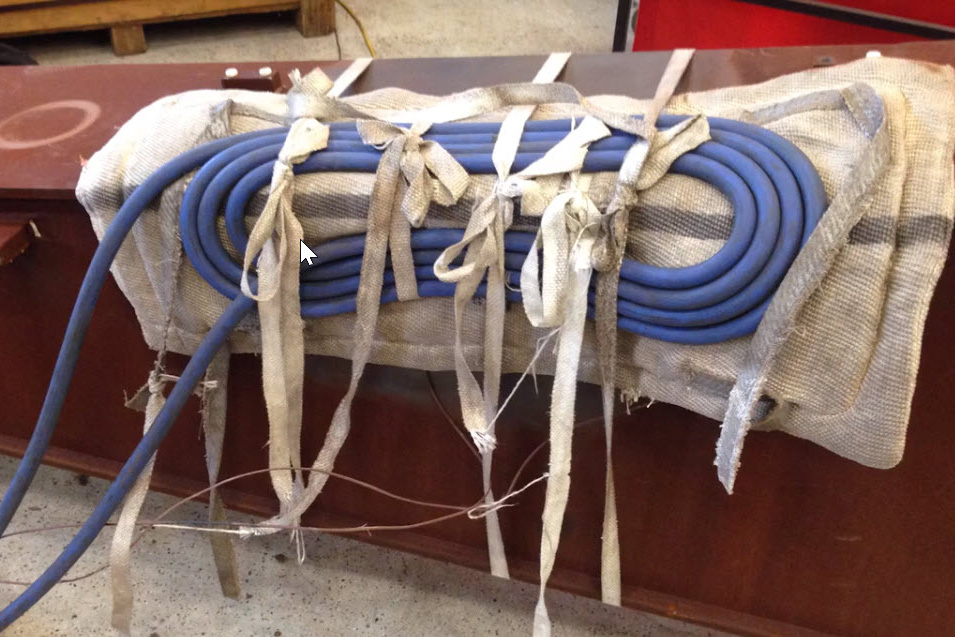
Induction, resistance and fuel-gas heating each have applications. Induction can provide controlled heating without a flame, including on suitable plate and beam geometries. Coil arrangement, insulation and temperature measurement still determine the result; no heating method guarantees uniform temperature through every section.
Build the Equipment Package Around the Work
Include power distribution, lead lengths, wire or electrode storage, material handling and heating equipment in the plan. Provide the required fume controls, arc protection and safe access, and leave room for inspectors to reach the welds.
Contact Red-D-Arc with the process, output requirements, joint details and site conditions. Our team can help select rental or lease equipment for the approved fabrication plan.