





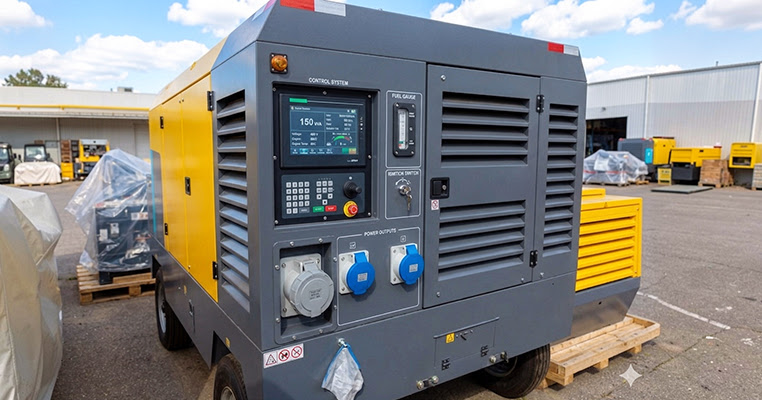
Any unit that can’t hold its amperage under load will knock the arc off balance mid-bead, which forces restarts and leaves defective joints behind on structural or pipeline work. An empty fuel tank three days deep into a remote job is the sort of unplanned shutdown that no project schedule can absorb – and no project manager wants to be the one explaining it.
Diesel versus natural gas is not purely a technical choice. Site access, fuel availability, emissions laws and the total cost of keeping the equipment running over months or years all play into it. A crew hauling a rig out to a pipeline right-of-way is up against a very different set of constraints than a fabrication shop running multiple welding stations off a fixed utility connection. Operations need reliable power, and yet almost nothing else about their situations is the same.
The fuel type is the first big call on any generator buy, and everything else follows from it – unit size, service intervals, how you manage on-site storage and what local codes might apply. The right pick depends quite a bit on where the work is actually happening, how long the project runs and what the full cost of ownership looks like past the buy price. A low sticker price doesn’t mean much when the fuel supply just doesn’t work for that location or when the unit ends up burning through parts and consumables at twice the rate that you planned for. Most buyers focus heavily on the day-one cost and don’t give the operational side nearly enough attention – and from what I see, it’s usually the operational side that ends up making the bigger difference over the life of a job.
Let’s talk about how diesel and natural gas generators compare for powering your welding site.
Power and Load Spikes
Diesel generators produce quite a bit more power for their size than natural gas units do, and the extra output really matters when you run high-amperage processes like stick or flux-core welding.
Stick and flux-core welding are pretty demanding on a power source, and each process should have a steady draw just to hold the arc stable and the weld pool right where it needs to be. A generator that can’t hold that draw will start to waver in its output, and you’ll see it in your work fairly soon. Spatter, inconsistent penetration and welds that won’t pass an inspection – it’s a frustrating chain of problems.
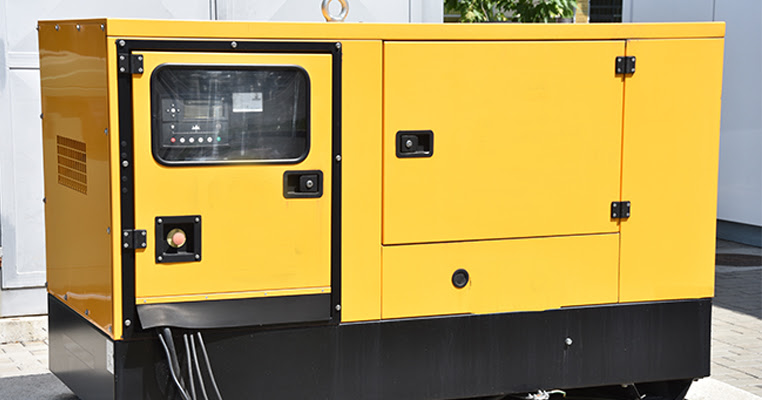
A natural gas generator can run welding equipment – the numbers just get a bit tighter. Reaching the same output as a diesel unit usually means that you’ll need a bigger natural gas generator, and that doesn’t have to be a dealbreaker. Run through the math and lock in a full setup, though.
Diesel engines have a genuine edge with the load spikes. High-amperage welding puts repeated stress on a power source, and diesel generators are built with that abuse in mind. Natural gas units can take that stress too. But between the engine design and the lower fuel energy density, they usually fall a bit short at the smaller frame sizes.
When multiple welders or a lot of heavy equipment all run at the same time, the difference in raw output between the two fuel types gets noticeably harder to work around. The list of situations where natural gas holds up well for heavy-duty welding work is a fairly short one.
Diesel Goes to Any Remote Job Site
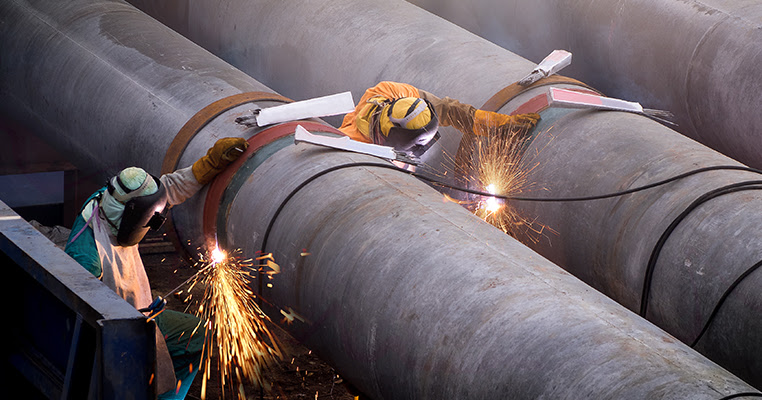
The location of a job matters just as much as how much power a welder actually needs – and for most welders, the job site is nowhere near a power grid or a gas line. Pipeline runs, structural steel frames and remote field repairs – these are some of the most common welding gigs out there, and they usually happen way out in the middle of nowhere.
Natural gas generators need a live pipeline connection – without one, they won’t run. On a remote job site, that infrastructure just isn’t there, and there’s no way around it. A generator with no way to get fuel has no place on the truck.
Diesel works differently. The fuel goes in a tank, the tank loads onto the truck and the truck goes wherever the job is. Two hours down a dirt road is no problem. Out in an open field with nothing around for miles, it works just the same. A diesel generator doesn’t care how far off the grid you are – it just needs to be on-site when the crew shows up (that’s the whole point).
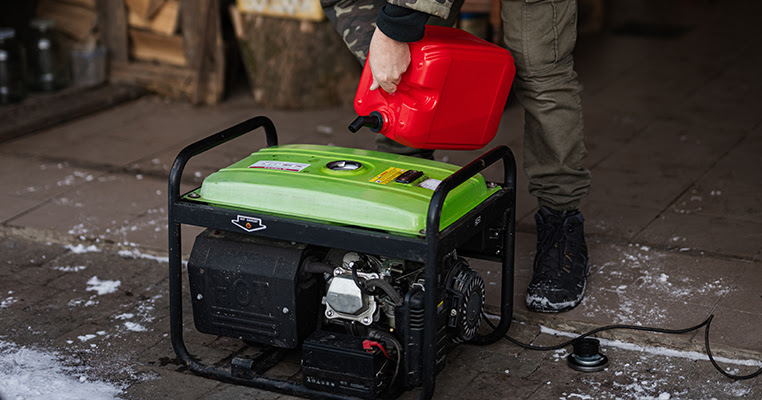
For any crew that moves from site to site, this flexibility is a massive win. Pipeline jobs don’t wait around, and neither does your crew – nobody needs to sit idle because a fuel delivery didn’t come through. The generator has to be up and ready the second the truck stops. An hour late over a fuel problem doesn’t work for anyone.
Natural gas has plenty going for it, and in the right setting, it’s a solid choice. A fixed shop or any location with reliable utility access close by is where it performs at its best. For mobile crews, though, that setup just isn’t a workable option in most cases.
How Long Can You Store Your Fuel
Fuel is something that you don’t think twice about – right up until the reserve runs low, and then it’s all that matters. Diesel has a benefit in this area. When stored on-site in large tanks, it gives you a supply to draw from for months at a time. Add the right fuel stabilizers to the mix, and diesel can stay usable for as long as a year or longer in some cases.
That staying power matters quite a bit when you’re out on a remote project.
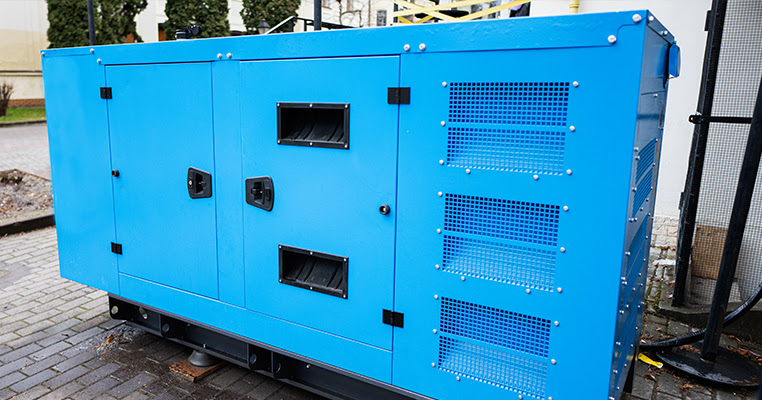
Natural gas moves through pipelines and gets used up almost the second it arrives. That works just fine when a reliable line runs directly to the site. Pipeline access isn’t a guarantee everywhere. On remote or temporary sites, that connection may just not be there.
These are decisions worth making before a project starts – not halfway through it. With a diesel generator, the crew can stock up on fuel in advance and figure out how much they need based on how long the job will run. That level of supply control is very hard to match with natural gas when you’re out in the field. The ability to haul your fuel in with you (and have enough of it to last the whole job) is a real day-to-day benefit on sites where infrastructure access is limited. That matters over the full length of a project.
Better Air Quality for Your Welding Crew
Natural gas burns much cleaner than diesel, and when you’re working in an enclosed space, that gap in air quality starts to show. Diesel exhaust is loaded with particulates and carbon monoxide – they can build up fast in areas that don’t get great ventilation – and welding sites are not known for their fresh air.
OSHA sets the carbon monoxide exposure limit at 50 parts per million over an eight-hour workday.
The physical toll is pretty rough. Welders who put in long hours around diesel exhaust in semi-enclosed spaces will frequently end their workday with a pounding headache and some fatigue.
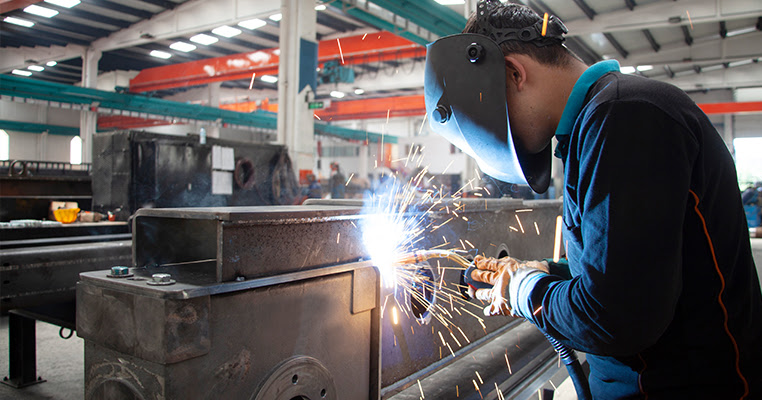
Natural gas puts out far fewer particulates and way less carbon monoxide than diesel does. With a generator that’s been running for hours in a space with limited airflow, that difference can become pretty significant. Welding environments (especially indoor ones or anything that’s partially enclosed) are right where that cleaner burn pays off. Better air quality means the workspace stays breathable, and a breathable workspace means your crew stays focused on the job.
The environmental side is worth a mention. Natural gas still produces emissions (no fuel burns clean), but it releases noticeably less carbon dioxide per unit of energy than diesel does. For operations that need to file environmental reports or businesses just trying to trim their footprint, that gap adds up in a big way over time. It’s not the flashiest selling point, but for the right operation, it does matter.
The Real Cost of Each Option Over Time
Diesel generators nearly always cost less to buy than the alternatives, and that lower price tag is everything for buyers. The sticker price is only one part of a much bigger picture, though.
Fuel costs are usually where the numbers start to favor natural gas. Natural gas tends to be cheaper per unit of energy than diesel, and over the course of a full year of welding operations, that price gap can mean a real difference. On a site where the generator is running for long stretches at a time, the savings on fuel alone can be pretty hard to ignore.
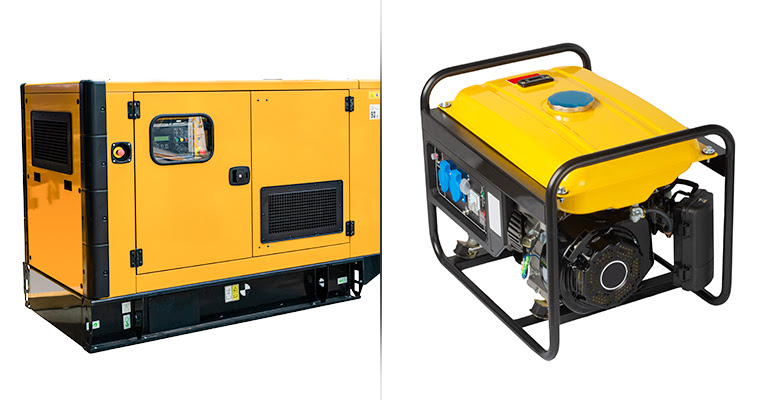
Maintenance is the other side of this equation. Diesel engines need more oil changes and filter replacements because the fuel leaves behind more residue when it burns – and there’s no way around that with diesel. Natural gas burns much cleaner, which means less wear on the engine’s internal parts and longer time between service intervals. Add that up over the life of a machine and those savings in service costs will turn into a very real number.
Natural gas engines also have a tendency to last quite a bit longer. The machine just holds up better over the years since there’s less buildup and less wear on the engine – and when you look at the total cost of ownership versus the sticker price, that extra lifespan is worth quite a bit.
A better question to ask (best choice on anything) is what it costs to run one of these machines for a full year. Add up the fuel, standard parts, unexpected repairs and any downtime that pulls your crew off the job. That number will look a whole lot different from whatever price you saw at the point of sale. In my experience, that total is what separates one generator from another, and it’s a far more reliable way to work out which one is actually the right fit for your site.
The Best of Both Fuels at Once
Bi-fuel generators are worth a hard look – especially if the cost difference between diesel and natural gas has been on your radar. A bi-fuel unit runs on both fuels at the same time (the combination alone can cut diesel consumption by as much as 70%), and that’s not a rounding error. Those savings translate directly into lower operating costs, and the more hours that you put on the unit, the more they add up.
The main tradeoff is the cost up front, which does run a bit higher than a single-fuel unit. For a semi-permanent welding shop that already has a natural gas line on-site, the fuel savings are likely to close that gap fast. The math also gets better the more you run it and the harder you push it.
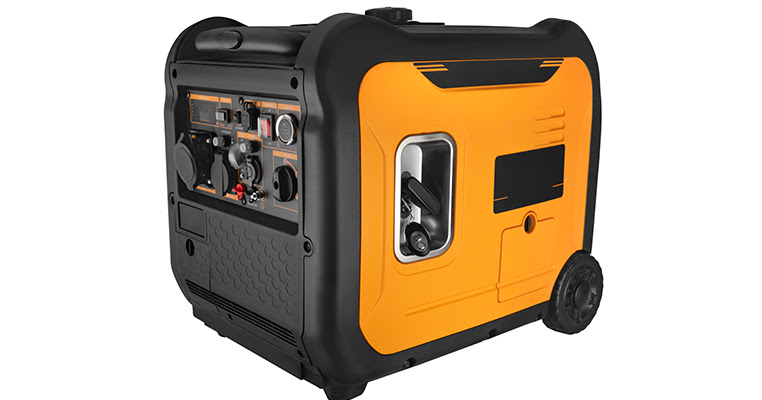
Bi-fuel systems aren’t a workaround or just a compromise, and it’s worth saying that plainly. These are job-built machines with sound engineering behind them, designed to give you the reliability of diesel alongside the cost savings of natural gas – with both fuels running at the same time in a single unit.
The catch (and it’s a real one) is that you need both fuel sources available to make it work. You’ll need a diesel supply and an active natural gas connection on-site. That counts them out for remote job sites without any gas infrastructure nearby. For a fixed location where both sources are available, a bi-fuel generator removes the uncertainty about which fuel type to go with. No compromise on reliability and no sacrifice on fuel costs – you get both at once.
Match the Right Generator to Your Site
The right generator for a welding operation can depend on where the work happens and what a normal workday actually looks like. A field repair crew out on a remote pipeline, for example, has little to no access to a permanent fuel source – which means they need a generator that can travel with them and run on stored diesel. A dedicated fabrication shop is a whole different situation, though. With a natural gas line running right to the building, a shop-based setup can run for long stretches with no need to stop and refuel.
Mixed-use setups are a bit more to plan around. Plenty of operations divide their time between a fixed facility and different job sites, and in those cases, one generator type doesn’t always cover either side of the workload all that well on its own – it’s helpful to figure out whether a portable diesel unit can realistically manage the shop and the field at the same time or whether two separate setups would be the better fit for the operation.
A place to start is to write down your three biggest goals before you settle on anything. Your fuel access, how much you move around and how much power your welding setup pulls on a normal day – those are the three to get on first.
Those three answers will do more to point you in the right direction than any spec sheet ever will. Remote crews usually put portability and reliable fuel storage at the very top of the list. A shop welder is probably more focused on lower running costs over time. And if noise or emissions matter in your work environment, those need to be on the list, too. The whole point is to line up the right generator with your situation – not some generic recommendation that was never written with your setup in mind.
Where The Pros Get Their Welding Rentals
No two welding operations are the same, and no single generator type will be the right fit for all of them. The best generator for your setup is the one that matches the work – the location, the available fuel, the hours that your crew puts in and the processes that they run week after week. Diesel makes sense when the job moves around, and there’s no fuel infrastructure anywhere near the site. Natural gas is a much better fit when the shop is fixed, the line is already in place, and the unit will run hard day in and day out. Bi-fuel falls somewhere in between, and it’s a fit for operations that have reliable access to fuel sources and want to get the most out of each one.
The bigger lesson here is that the generator set is a choice with actual consequences – and it deserves more thought than just a quick price comparison.
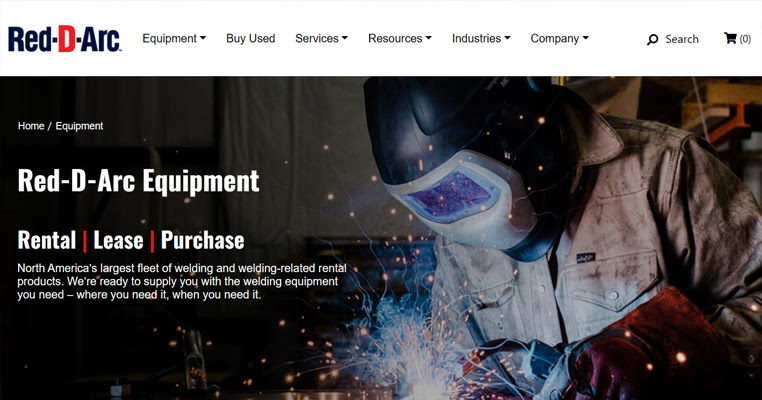
A reliable power source will only get you so far, though. The welding equipment that you’re running matters just as much, and it’s an area where shops are either underpowered or over-equipped for what they need. At Red-D-Arc, we carry a number of welders, positioners and protective gear (all available to rent or buy) so you can get the right tools for the job without being locked into equipment that you might not need later. Head to Red-D-Arc.com to check out our full catalog and find out what your next project actually calls for.



Leave a Reply